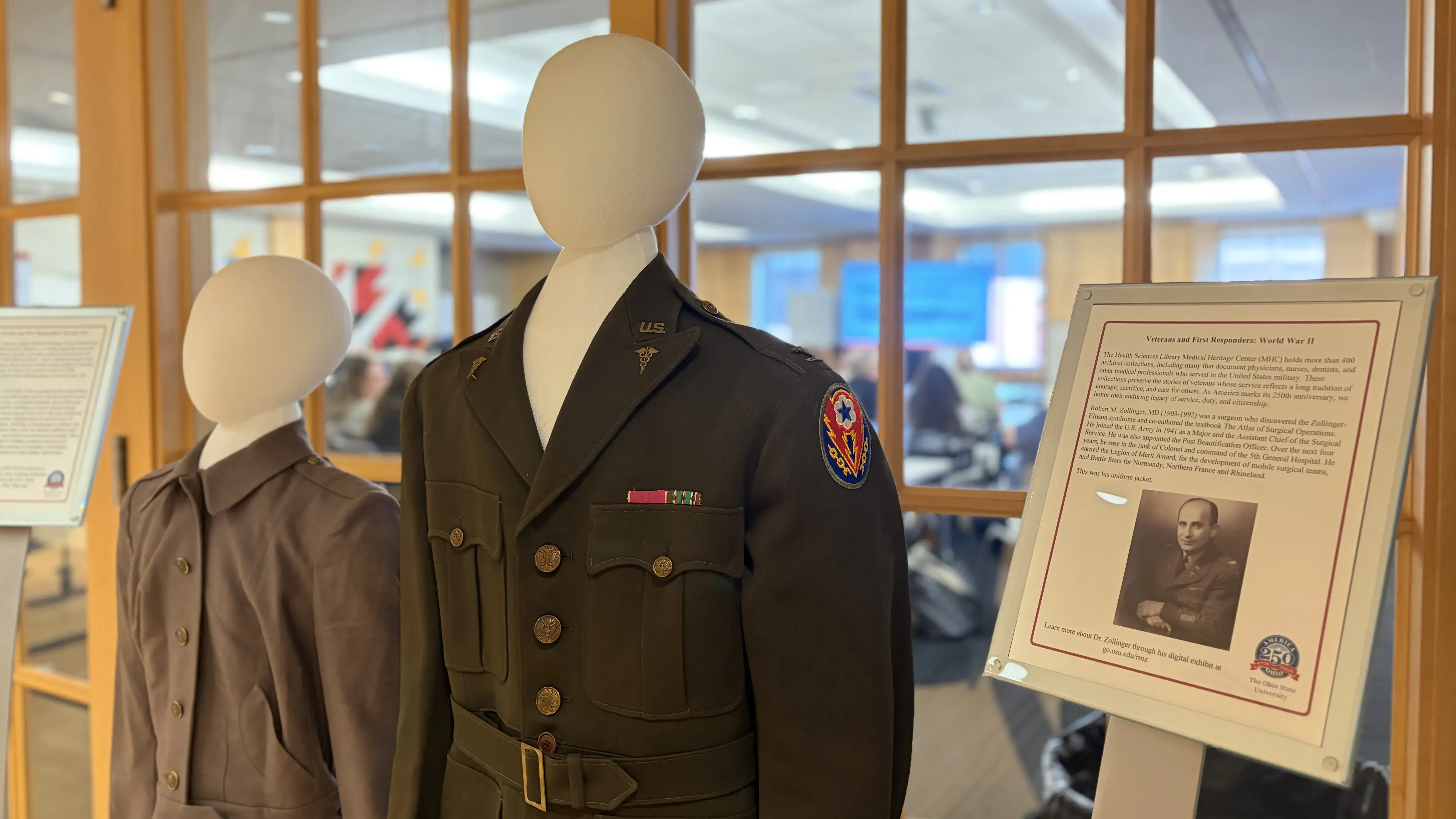
The Health Sciences Library (HSL) Medical Heritage Center (MHC) holds more than 400 archival collections, many documenting medical professionals whose careers extended into military service. These collections include physicians, nurses and dentists who served in the United States military, including the Army Medical, Nurse and Dental Corps.
The Army’s medical system, organized within the Army Medical Department (AMEDD), traces its origins to 1775, when the Continental Congress established the Hospital Department to care for Revolutionary War soldiers. A permanent Medical Department followed in 1818 under a Surgeon General, and the modern Medical Corps was formally designated in 1908 as a professional body of Army physicians. Across major conflicts, the Medical Corps expanded its role in surgery, disease prevention and battlefield care, forming the foundation of Army medical services.
The Army Nurse Corps developed from earlier traditions of volunteer caregiving during the Revolutionary War, Civil War and Spanish-American War. Congress established the Nurse Corps in 1901 to create a permanent, trained nursing force. During World Wars I and II, it grew from a small peacetime organization into a global network of nurses serving in hospitals, evacuation units and transport settings. Their work advanced trauma care, medical evacuation and the broader professional role of nurses in military medicine.
The Army Dental Corps emerged from the same movement toward professionalized military healthcare. Authorized in 1901 and formally established as a corps in 1911, it provided essential oral care that supported soldiers’ health and readiness. During large-scale mobilizations, especially World War II, the Dental Corps expanded to meet the needs of millions of troops.
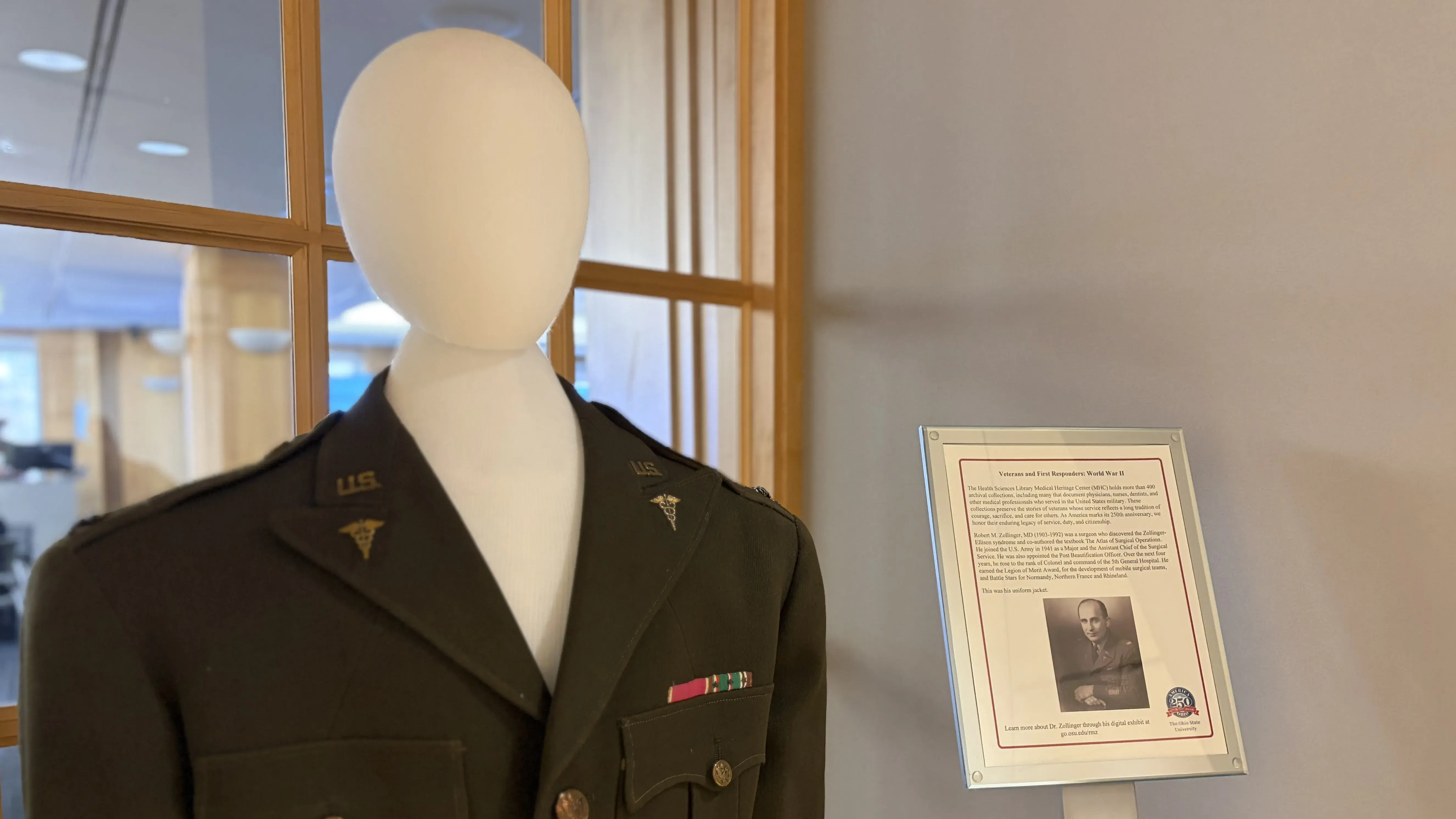
Together, the Medical, Nurse and Dental Corps demonstrate the transformation of Army medicine into a coordinated, specialized system that continues to shape both military and civilian healthcare. The MHC collections preserve the stories of several medical professionals whose civilian careers and military service reflect this history:
- Born in 1890, George M. Curtis, PhD, MD, was a surgeon and one of the founders of the Central Surgical Association. His work on iodine metabolism related to the thyroid gland received world-wide recognition. He served in the Medical Corps during World War I. He died in 1965.
- Charles A. Doan, MD, born in 1896, was a hematologist, former dean of The Ohio State University College of Medicine and one of the individuals who helped establish blood banking and the volunteer donor program. He served in the Medical Corps during World Wars I and II. He died in 1990, but his legacy lives on through the naming of Doan Hall.
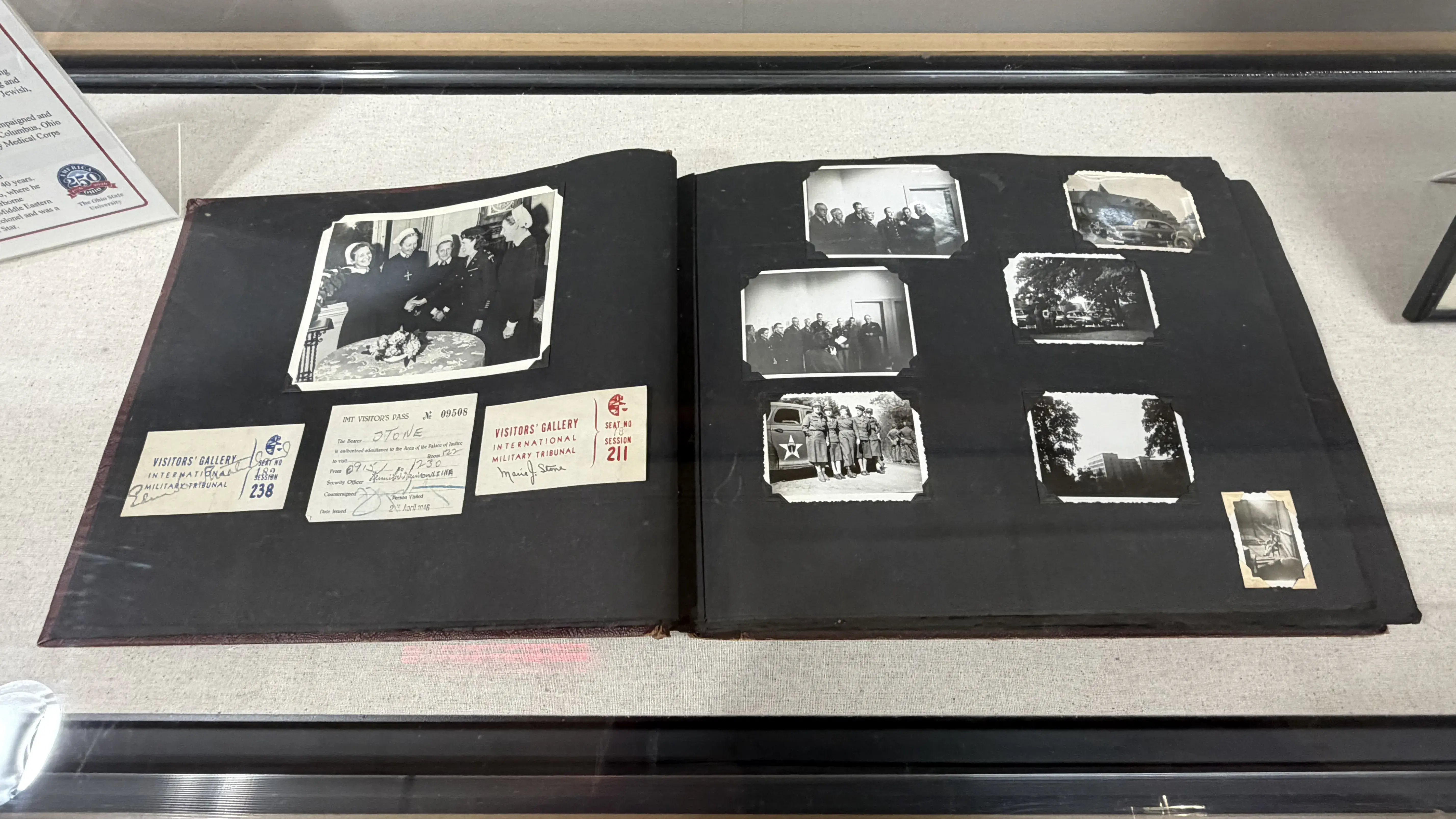
- Marie J. Isselstein, RN, was born in 1906. She brought a strong background in nursing and public health to her service in the Nurse Corps during World War II. During the war, she changed her surname to Stone because her German name was perceived as Jewish. She died in 1968.
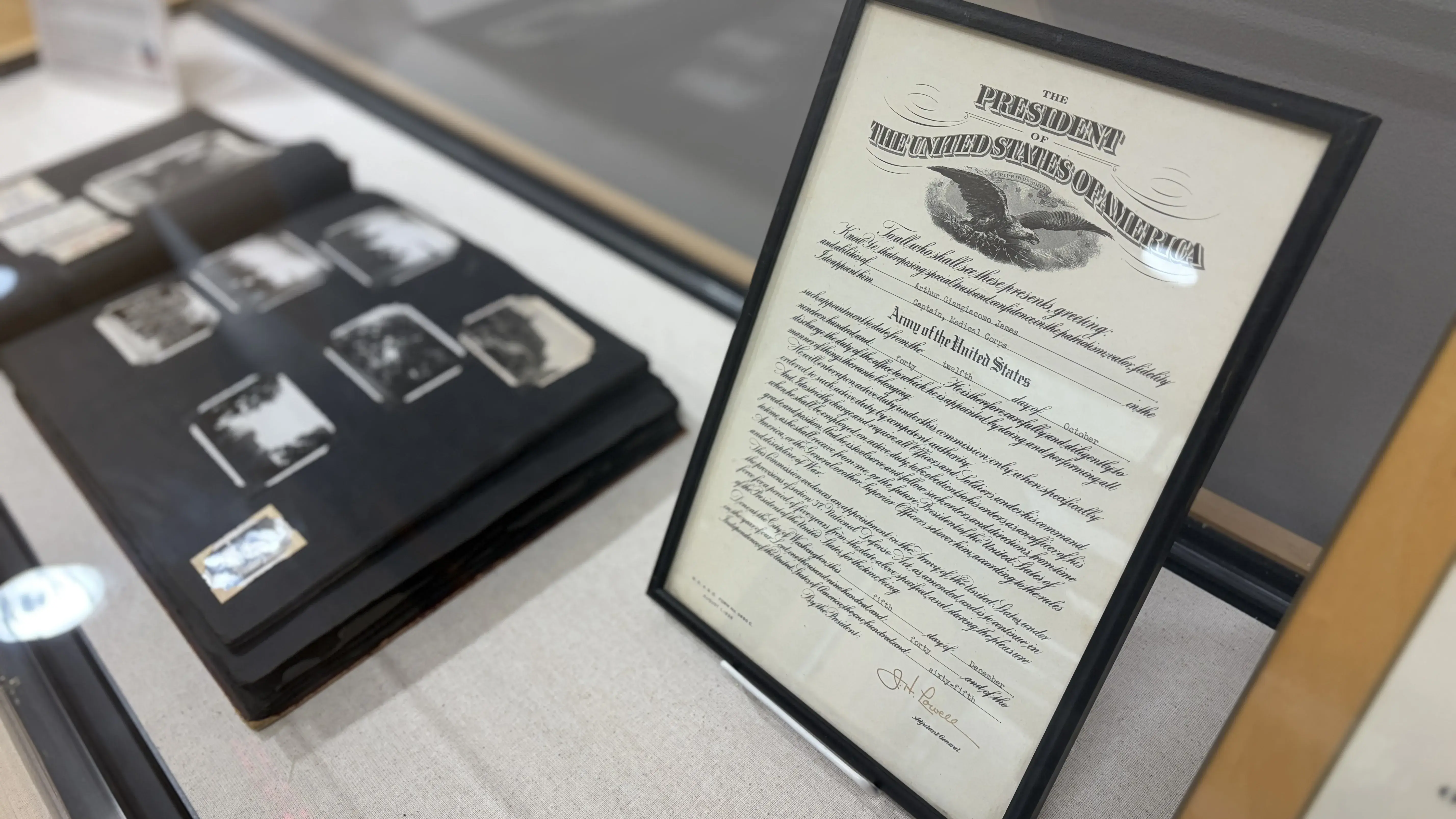
- Arthur G. James, MD, born in 1912, was an oncology surgeon who spent 35 years campaigning and fundraising to build a free-standing cancer hospital in Columbus, Ohio, later named in his honor. He served as a major in the Medical Corps during World War II. The Ohio State Comprehensive Cancer Center – Arthur G. James Cancer Hospital and Richard J. Solove Research Institute carries on his legacy, 25 years after his death.
- Carol J. Fair Keith, RN, MS, was born in 1925. She worked as a staff nurse, surgical nurse and nursing instructor. She served as a first lieutenant in the Nurse Corps during the Korean War. In 2014, she died at the age of 88.
Visit the fifth floor of Prior Hall through the end of the year to view an exhibit highlighting these medical professionals along with others whose careers included military service.